Features Explained

Mechanism and feature explainers for robot vacuums (navigation, sensors, suction, maintenance features, etc.), written without product rankings or recommendations.

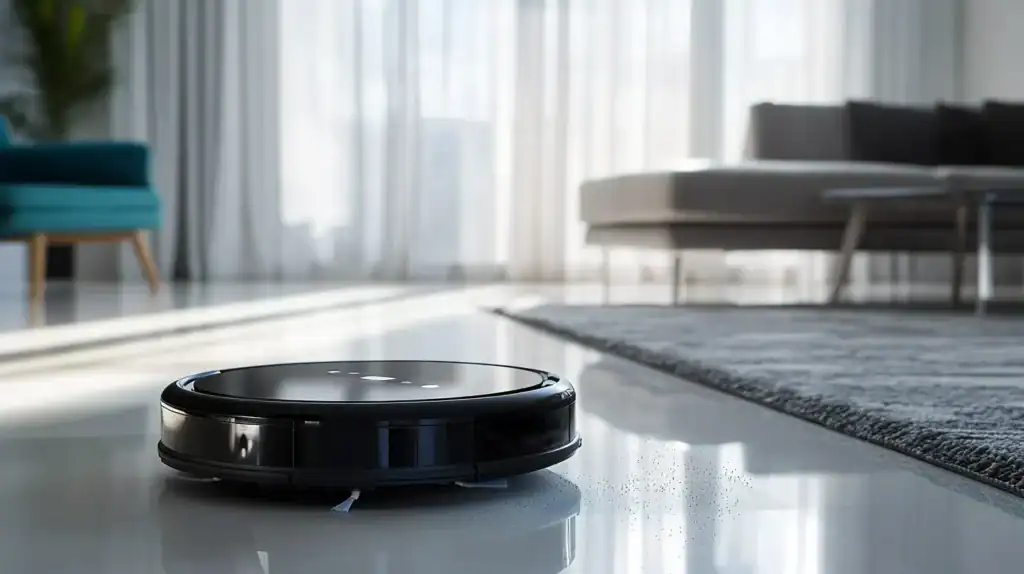
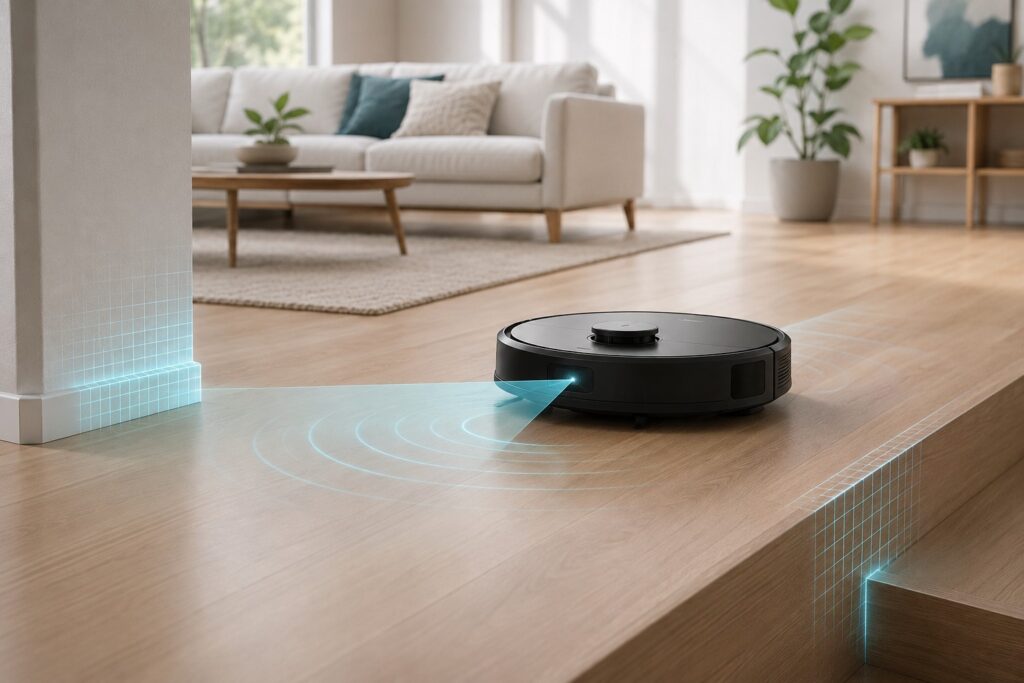
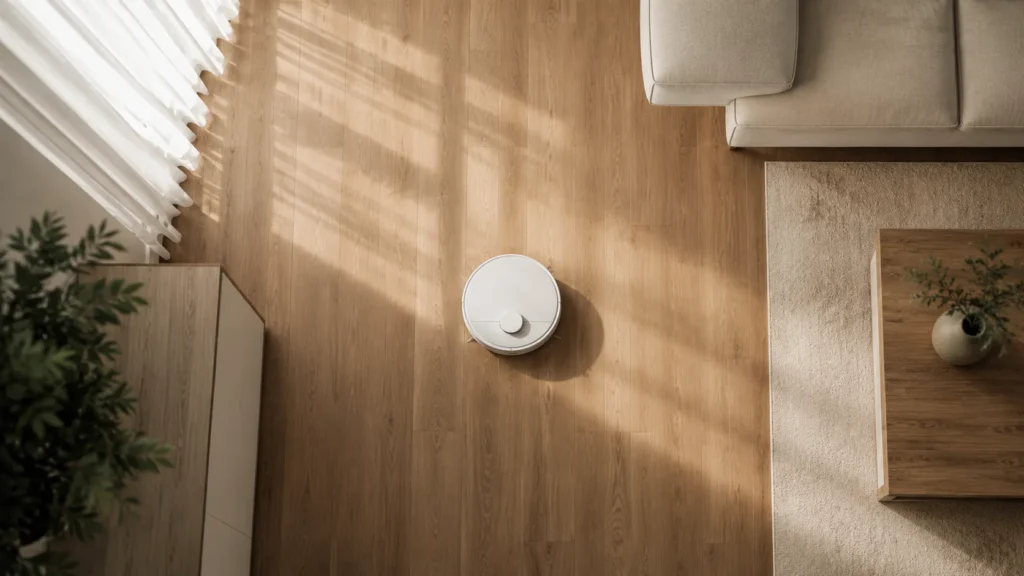
Robot vacuum cleaning hardwood floor in modern living room.

Robot Vacuum Suction Modes Explained: Eco, Standard, and Max

Many robot vacuums let you choose a suction mode, commonly labeled something like Eco, Standard, and Max, through a companion app, but the exact names, number of modes, and default setting vary by manufacturer. This guide explains the general trade-off these modes involve (cleaning power, battery drain, and noise), how manual mode selection differs from automatic suction adjustment, and what beginners should check in their own app before assuming any single mode is right for every situation.

Robot Vacuum Suction Modes Explained: Eco, Standard, and Max Read More »

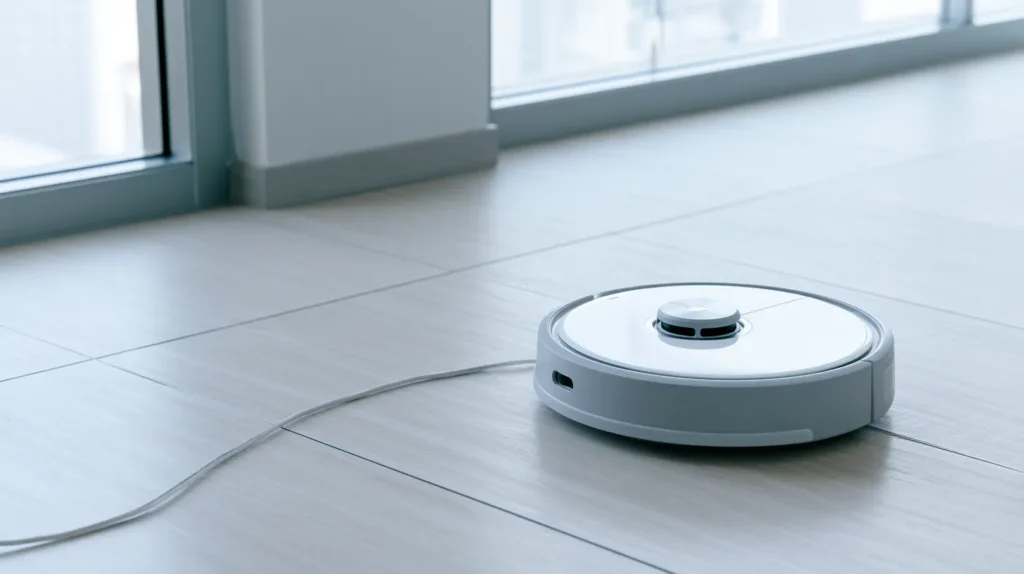
Robot vacuum cleaner navigating on a smooth floor near a window.

How Robot Vacuum Obstacle Avoidance Works

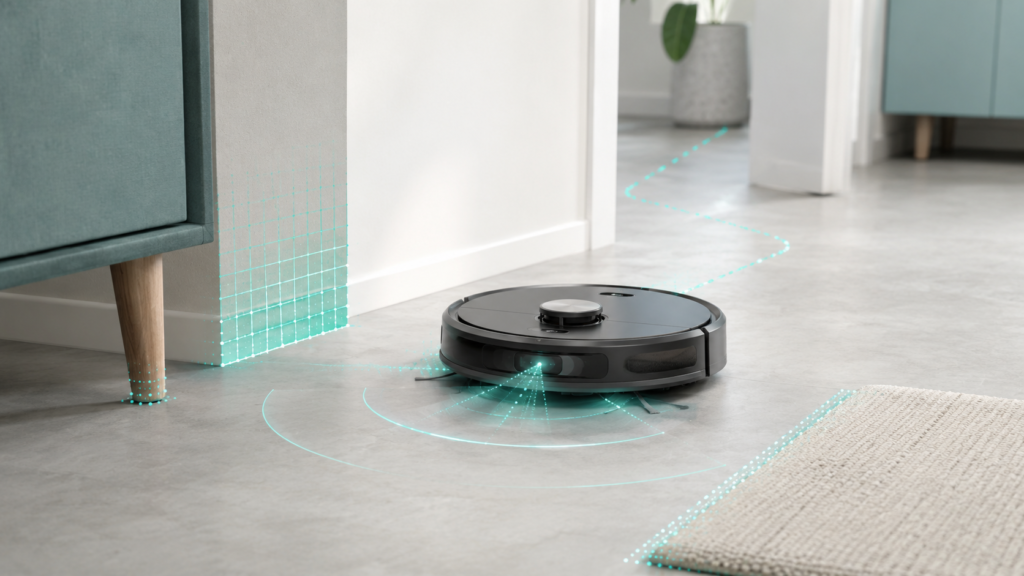
Robot vacuums that market “obstacle avoidance” don’t all behave the same way once something is in their path. This guide explains what happens after a robot vacuum detects an object — common reaction patterns, the general categories of objects manufacturers describe recognizing, and why the exact detection scope and behavior vary widely by manufacturer and model — without recommending or ranking any specific product.

How Robot Vacuum Obstacle Avoidance Works Read More »

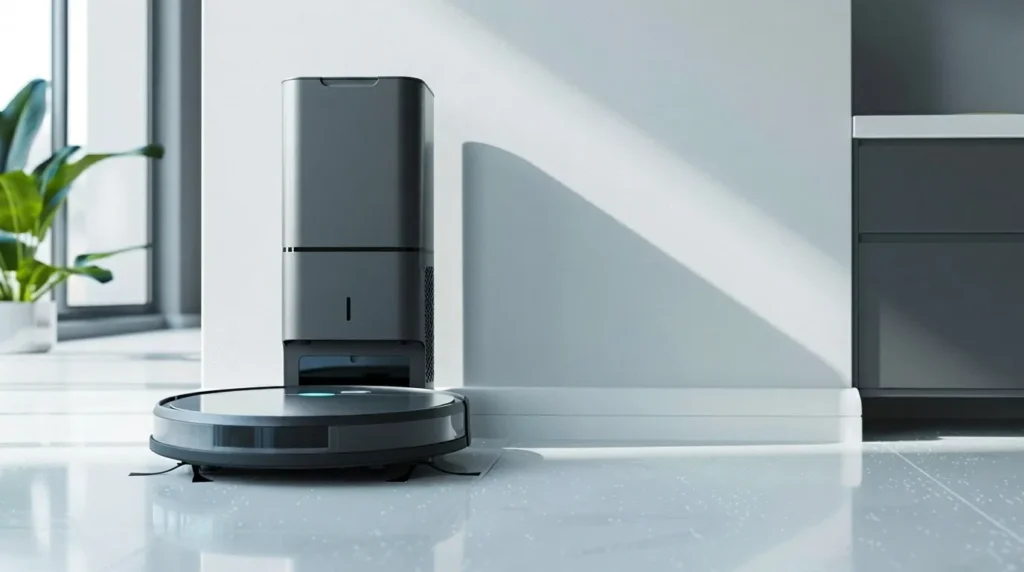
SmartCleanLab robot vacuum dock in modern home setting.

How Auto-Empty Robot Vacuum Docks Work

Auto-empty docks are designed to move debris from a robot vacuum’s onboard dustbin into a larger dock-side container, reducing how often the robot itself needs emptying. This guide explains the basic transfer mechanism, the difference between bagged and bagless dock designs, what maintenance is still required, and what beginners should understand before comparing product listings.

How Auto-Empty Robot Vacuum Docks Work Read More »

Scroll to Top